Top 10 Things to Know Before Hiring a Web Design Agency
Top 10 essentials to know before hiring a web design agency for your business success.
Introduction:
“Planned to go fast! Just go alone. Planned to go far! Just Go Together.”
Imagine a league team you are handling. Every move you choose, every player you pick, feels like a game of chess. One wrong decision leads to a complete breakdown.
Building a successful website isn’t a solo sprint that one can run. It’s a long-term run like an Olympic relay, a teamwork exercise that leads to a gold medal, a long view and an achievable success.
There is an old-age saying, “Measure Twice, Cut Once” that suits perfectly when it comes to hiring a web design agency. One rushed or unwise decision can cost you time, money, and opportunities. Just like in chess or team sports, every move counts and is accounted for, and picking the ideal one for your ideal work is one of the most critical moves for your business.
As a UI/UX design company in Chennai focused on user-centric and conversion-driven experiences, we recommend this approach to clients who need intuitive design without unnecessary complexity or high costs.
Small Story: In wildlife, the heron always waits and waits and tests with its own patience unless it catches a big fish as its food; it leaves the smaller ones and just never touches those. Once the big fish comes, the waits are over. Right time and a planned attack; it catches the fish and flies away.
Moral: The bird can choose the small ones as food; the reason behind this is the double work. It invests its time for a big fish and just visits the pond once for the rest of the day.
Takeaways: Picking the right team for the right work will make the work rightly done at the right time.
In this blog, I’ll walk you through the top 10 things you should know before hiring a web design agency.
Clarify Your Business Objectives:
The first step to keep in mind is what the objective we are trying to achieve here is. The replica idea in one’s mind should be on the website; that’s the core idea to be. Need a crystal-clear understanding of why you want a new website or a redesign. Without defined objectives, even the most talented agency product looks great but fails to serve your business needs.
"When you know exactly why you need a website, everything comes to a one-liner."
How to Define Your Website Objectives?
- Determine the main goal - Is the purpose of your website to attract leads, sell items online, display your work, or enhance brand recognition?
- Establish quantifiable KPIs - For instance, aim to “Boost site traffic by 30% within six months” or “Reach 100 qualified leads monthly.”
- Define your brand message - Your website should accurately convey your brand's identity, tone, and values throughout all its pages.
- Identify essential features - Early on, decide if you require functionalities like e-commerce, appointment scheduling, live chat, or customer portals.
- Prepare for future growth - A well-designed website should adapt and grow like how your business grows.
Common Mistakes Businesses Make
- Without a strategic purpose, putting more focus on design and site building.
- For the planning process, excluding teams like sales and marketing people.
- Focusing on improvements but failing to hook the consumer again to your site.
- Not reviewing analytics from the current site before redesigning.
How Website Goals Differ Across Industries :
Sector | Primary Objective | Focus/Goals |
E-commerce | To drive sales to next level | Satisfy Customer Experience and handling, Personalization |
Healthcare | Engage and educate patients | Online appointments with members, patient education |
Finance/Banking | Build credibility & generate leads | Secure portals, financial tools, compliance, lead capture |
Education/Learning | Increase enrollments & course engagement and boosts | Course catalogs, student portals, seamless learning experience |
Technology / SaaS | Showcase products & B2B deals | Product demos, case studies, free trials, content marketing |
Hospitality/Travel | Boost bookings & enhance user experience | Booking systems, high-quality visuals, reviews, local info |
Overall, while every website and developer aims to effectively engage the client users, the specific objectives and functionalities focus differ according to the sector’s business needs and audience expectations. In the end, it should be a more convincing and demanding product.
Pro Tip:
Before hiring an agency to build a website, look beyond design ask about their approach to SEO, mobile optimization, and long-term scalability. A great-looking site that’s slow, hard to update, or invisible on Google is a wasted investment.
Check the Agency Core Services:
While picking a web design agency, the core step is to assess their expertise to see how well their skills are going to align with your business goals. Many companies make the common mistake of choosing a web design agency, typically based on price or the visual appeal of their past completed projects, which can lead to significant difficulties, unmet expectations, and gonna be one underperforming website.
Evaluate and Rate Their Expertise:
Every agency has its own unique strengths. Few focus on creating custom web designs; some produce it visually appealing websites align with client's brand identity. Others adapt to E-commerce, delivering issue-free shopping experiences and dependability with flexible payment options. Add-on: Some agencies specialize in UI/UX design, improving websites to boost user engagement activity with user conversion rates. Recognizing an agency's expertise level will make sure that your project is in the right hands or not; whoever possesses the necessary skills matches to your particular requirements.
If your business relies significantly on online sales – no choice then; it would be wise to look for agencies skilled in platforms such as Shopify, WooCommerce, or Magento. Other hand, put the main focus is on content marketing, an agency proficient in CMS platforms like WordPress or Drupal may more suitable one. Grasping these factors from the outset can help alert to unexpected challenges down the line and ensure that your website is effective, flexible, and ready for future development.
Portfolio: More Than Just Pretty Designs
The core services of an agency are displayed in a portfolio. Don’t just glance at their homepage; deep dive into their past projects. Look for websites that match your industry, style preference, and functionality needs. Examine how they handle navigation, responsiveness, mobile optimization, and loading speed. A technically sound website may ideally be simple but exceptionally outperforms well in SEO rankings and user engagement aspects.
Ask yourself:
- Do these websites load quickly on mobile and desktop?
- Are they optimized for search engines with more SEO boost?
- Do they reflect a clear understanding of branding and audience needs?
More questions arise, more answers fall. These answers reveal
Check for SEO & Performance Integration:
A great web design encompasses more than just visual appeal; it includes performance, search engine visibility, and conversion rates. Agencies that incorporate SEO best practices, improve loading speeds, and use structured data during the web development process gain a notable edge. Websites that consider SEO from the outset often achieve higher rankings more quickly and attract larger audiences, minimizing the need for expensive redesigns or SEO corrections in the future.
Moreover, verify if they offer analytics setup as a fundamental part of their services. By understanding user interactions with your site, you can make data-driven decisions that ultimately improve user experience and increase return on investment over time. Agencies that offer this feature focus not simply on building websites but on supporting business growth through a comprehensive digital strategy.
Evaluate Portfolio & Case Studies:
All promises might look impressive, but the real truth is always hidden. Coming to hiring a web design agency, that truth is in their own portfolio and in case studies. As a client you see the skills, creativity and their capabilities that come to action.
Behind the pitch there is always proof. Likely for every success stories there will be some behind the scenes. A wise documented portfolio won’t show the final look of websites, along with the journey is also shown. From idea to launch = Challenge and Solutions.
Why Evaluating a Web Design Agency’s Portfolio is Crucial
A commanding portfolio will reflects it’s agency style and expertise align with brand vision in seconds. Question will be what to look for:
- Diversity in Work: Scan if they’ve worked across industries. A diverse portfolio suggests adaptability, while a niche focused one might indicate a deep expertise on a specific sector.
- Quality in Design: Flashy Graphics? → Look Beyond That!. Pay attention to UI/UX flow, mobile responsiveness and how well the designs balance creativity along usability.
- Functionality Showcase: Pretty design with flexible functionalities then it’s just a lit. Explore the live links that are available, see if their sites load fast with balanced navigation and optimization for SEO.
- Consistency in Excellence: A sign of a professional team can be seen in great project with consistent quality across multiple works.
Role of Case Studies in Decision-Making
.jpeg&w=1080&q=75)
A portfolio shows what an agency can do?, as a client you dig with the case studies it reveals that how they did it? Where you find evidence of strategic thinking with measurable results. Things to look for:
- Client Goals: As an agency they did clear understanding with the proposals and better handling in addressing the business objectives?
- Challenges & Solutions: Every single project has its own hurdles. As an agency, how do they overcome out of it?
- Look for Metrics (Impacts & Results): increased traffic, better conversion rates, improved user engagement, etc.
- Technology Used: This tells that to clients whether the agency works with modern, scalable tech stacks.
Red Flags to always watch Out
- Only Mockups, No Live Sites – Lacking in Real-World Experience.
- Outdated Designs – Project will look like it passed decades. Not keeping up in current trends.
- Lack of Data in Case Studies – Case study without measurable results is just a story without proof.
A design is just an eyewash. Proof is the power where the portfolio and case studies are the best tools to uncover it.
Verify Industry & Platform Experience:
By verifying this, you may gain confidence that they can build a website not only attractive but also functional, compliant and more growth driven. A great looking website won’t deliver results if it fails to align with the unique demands of your sector or fails to integrate with correct tools and technologies.
Why Industry Experience ?
From industry to industry, the challenges, user expectations, and compliance requirements gets changes. Each sector set its own set of standards that should be met, and understanding these critics is crucial when hiring a web design agency.
.jpeg&w=1080&q=75)
Look On:
- E-Commerce: Seek seamless checkout systems, payment gateways in a secure way, product filters and more in personalization.
- Healthcare: Must focus on the HIPAA Compliance, patient data privacy, over the appointment booking systems.
- Finance & Banking: A trust building design, robust security and integration with financial tools.
- Education: An interactive course catalogs should be included, student portals and easy to access for learning materials.
- Technology & SaaS: Demand for a clear product demos. With API integrations and a scalable design that can adapt to regular updates.
If an agency has worked with businesses match to your field, then they already know these nuances and it won’t take weeks to “figure things out & to work.”
Platform Experience – The Technical Backbone
Add on to deign, the choice of platform for your website significantly gonna impacts its performance, scalability, and SEO. It's essential to verify if the agency possesses practical experience with platforms that suit and match with your requirements:
.jpeg&w=1080&q=75)
- Word-Press: An ideal pick for websites that are both rich in content and businesses focused with SEO.
- Shopify/Woo-Commerce: Globally used by developers for developing Online based Stores.
- HubSpot CMS: Ideal for inbound based marketing strategies and lead generation efforts.
- Custom Development (React, Next.js, NestJs): For the highly customized solutions and web based applications it's an necessary one.
As an agency who is well-versed in your needed platform that guarantees as they can tailor features, enhanced speed and also supports long-term scalability.
Choose Expertise That Fits
Verifying industry and platform experience is like ensuring the agency can walk the walk, not just talk they talk. So, a great agency should:
- Know your industry’s unique challenges and user expectations.
- Be proficient in the platforms and technologies that support your goals.
- Deliver a website that is future-ready: scalable, functional, and optimized for your sector.
Analyze what the past clients say about them:
It Matters
Reviews gonna act as social proof; scrolling there will lead to know whether the agency can be trusted. Those relieving factors are:
- Reliability & Timeliness: Do the agency respect deadlines with added commitments?
- Communication Quality: Are they responsive, transparent, and easy to work with?
- Problem-Solving Ability: Do they handle unexpected challenges effectively?
- Post-Launch Support: Ongoing maintenance or troubleshooting be provided?
- Business Impact: Did the website help client to achieve tangible goals like better traffic, higher conversions, or stronger branding?
Where to Find Authentic Client Feedback
Don’t just rely over testimonials displayed on the agency’s website; they’ll naturally show give the best ones. Take a step further and look for independent work sources:
- Google Reviews –> The most candid and a reliable one.
- Clutch, GoodFirms, or DesignRush –> Trusted B2B review platforms for agencies.
- LinkedIn Recommendations –> Professional (public support) from real clients.
- Social Media Mentions –> On Facebook, LinkedIn, and Twitter, clients frequently post sincere accounts of their experiences: scroll there.
- Direct References –> Ask the agency for references directly, so you can decode their straight.
Not all reviews are straightforward. At times you have to spot the patterns:
- Many clients praise their creativity & UX design, that’s likely a strong suit.
- Note it seriously if you see repeated concerns or complaints about missed deadlines or weak communication.
- Look for mentions of results: A website if looks great but doesn’t generate business value isn’t worth that much.
Questions to Ask Past Clients
As a client, if you get a chance to speak with past or current clients, ask:
.jpeg&w=1080&q=75)
- What was the agency’s strongest strength during the project?
- Were there any challenges, If any how it's handled up?
- Did the agency meet the deadlines accurately with agree on the budget?
- How do the website perform after launch, in terms of engagement or sales?
- Would you hire them again for a next one? or recommend them to others?
“Reputation is everything in today’s digital era”. Analyzing what past clients say, you can go beyond marketing claims and get a true face of how the agency operates.
An incredible web design agency will have:
- Positive, detailed reviews across multiple platforms.
- Clients are willing to vouch for them directly.
- A track record of not alone delivering websites but also delivering measurable & accurate results.
Ensure Responsive & UX-Focused Design:
One of the key factor and a selling point is based on what user is seeing; for that, prioritize responsive design and a user experience (UX)-driven approach. Today’s customers interact with websites on multiple devices —> desktops, laptops, tablets, and smartphones. So, “You have to be Everywhere”.
A website looks good only for a large screen but breaks down to mobile, which can directly harm your brand’s credibility and loyalty, right from search rankings to user conversions.
Key Things behind Responsive Design:
.jpeg&w=1920&q=75)
- Mobile-first World
- 60% of web traffic comes from mobile devices. Not Everyone wants to see things in big screen. If your website is not optimized for mobile devices, you are losing potential customers. A mobile-first design philosophy, ensures the website adapts seamlessly across all screen sizes.
- Improved SEO Rankings
- Search engines like Google mostly prioritize mobile-friendly & responsive websites. With Google’s Mobile-First Indexing, the search engine evaluate mobile version of website first and rank it. If the design look less in responsive, your SEO visibility will suffer & gets down drastically.
- Better User Engagement
- A poor responsive website force users to zoom and make them to scroll awkwardly. This poor usability increase the bounce rates & decreased session times, those negatively impact SEO performance and consumer trust.
- Future-Proofing Your Website
- Technology and screen size need to evolved endlessly, A fluid and responsive design will impact wider audience in adaptable way to new devices without needing a complete redesign.
Is UX-Focused Design equally important:
Responsive design ensure the accessibility, but User Experience(UX) designmake the visitors to stay, give space for to engage and let them to convert. An agency beyond aesthetics to create intuitive and goal-oriented digital experiences.
A UX-focused agency set a tick-box your business goals and designs websites aligns with the customer’s journey; “From awareness to conversion”. Every button, call-to-action, and form should be strategically placed to guide users naturally.
If a website looks stunning but takes more than 3 sec to load then it’s a fail safe. Most user will seek to the next one and abandon yours. Solid UX-driven approach ensure optimization for fast-loading pages, compressed images, minimal code bloat with seamless navigation.
Inclusive design isn’t optional anymore, Everything needs to be Everywhere.
UX-focused agencies incorporate WCAG (Web Content Accessibility Guidelines) standards, making websites usable for people with disabilities too. These stuffs not only expands your audience but also strengthens your brand’s reputation.
Color Psychology always plays a critical role in UX Design, because a great UX design creates emotional resonance. From color psychology to typography choices, an agency should cover all. By focusing on these elements that reflect your brand personality while keep the usability at the fore front part.
In short: A responsive and UX-focused website is more just than a design; it’s your most powerful business tool.
Assess SEO & Performance Readiness:
Imagine opening a grand hotel in the middle of a desert? That is what the outcome of the beautiful website without any essentials. This is where SEO and performance readiness come into play. Many of them makes mistakes of assuming SEO is something that comes at the later stage. But the reality also slaps at later stage, leading to spend more time and money fixing issues that could have been avoided.
SEO Readiness is a Non-Negotiable one:

Google like search engine always focus to provide best results to their users. Means your website has to be in a structured way that is search-engine friendly. Right from Meta tags with a clean code to data and keyword-rich content, SEO must be baked into the foundation to your website; not to be bolted at afterwards.
Set a minimum capability of a web-design agency should have:
- SEO-friendly architecture – so search engines can crawl and index your pages in an effortless manner.
- Proper use of H1, H2, and H3 tags to structure the content.
- Schema markup to help Google understand what your website is about.
- Ensure your content strategy is in line with your target keywords and the search intent.
Consider it as a Red Flag, if the agency is not capable to explain that how their design process support the search engine optimization.
The Unsung Hero - Website Performance:
A random person’s mindset in today’s society: I need everything in seconds. No user wants to wait for a slow-loading site. Performance is directly yield up with user-satisfaction, SEO rankings with user conversion rates. Google made Core Web Vitals → Metrics like page loading speed, interactivity with visual stability as an official ranking factor.
.jpeg&w=1080&q=75)
Crucial Considerations:
- Faster Load Times = Higher Conversions
- User Conversions may reduce upto 7% if there is one second delay in page response. Instant coffee like instant result what people wants. A sluggish site will push them towards competitors.
- Mobile Optimization
- Everything should come into a single hand. Expect over lightning-fast experiences, especially when browsing on 4G or public Wi-Fi. Performance-ready site adapts seamlessly and keep user engaged.
- Lower in Bounce Rates
- Bounce rate is a strong negative signal for SEO. Speed optimization ensures users stay longer and interact more.
After all, what good is a stunning design if no one finds it on Google, or worse, if visitors leave before it even loads?
Review Content Support & CMS Handover:
What bullies a website? → Traffic: A website is not all of just design and code. More than it’s about building trust and converting visitors, it’s about content. A stunning website will fall flat just like that, it lacks over compelling copy, clear messaging and often with updated content. Reviewing a web design agency is more crucial when it comes to content support services and their approach to CMS (Content Management System) handover
Things Behind Content Support:
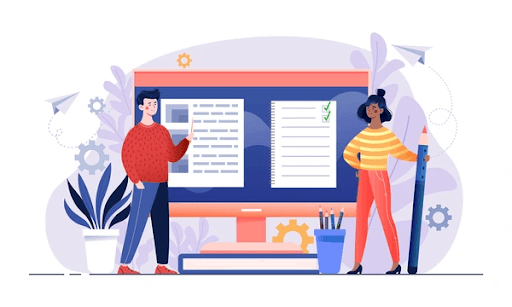
When business most likely fall with with design and beauty stuffs, but it won’t achieve results if the content inside it gets out-dated. Agencies that provide strategic content support ensure your website is not just visually appealing also communicated the right message to your audience. The design and content always go hand-in-hand.
May Include:
- Website Copywriting: Crafting keyword-optimized headlines, product descriptions with landing page content that match to your brand voice.
- Blog Strategy: Setting up with creative SEO-driven blog content to improve a organic reach.
- On-page SEO Optimization: Adding alt tags, internal links, with SEO added keyword-focused meta descriptions.
- Content Refreshing: Keep existing pages often updated so they remain more relevant in search results.
To be asked? → Will they only deliver a design template, or will they help you build a website filled with content that engages and ranks?
CMS Handover: And its necessities
Content Management System (CMS) gonna act like a bridge; it lead to avoid the dependency for every small update. Where the CMS handover plays a vital and crucial role.
WordPress, Webflow, or Shopify allows you to manage your own website. Right form adding blogs and updating product listings to tweak headlines or uploading new stuffs. An ideal agency should:
- Set Up a User-Friendly CMS
- They shouldn’t just deliver a site; they should configure the CMS in a way that’s simple for the team to use, even for a person with no coding skills.
- Provide Documentation & Training
- A proper handover make team to learn independently by the tutorials, guides, or even live training sessions so your team understands how to manage
- Ensure Ownership & Access
- Must have full admin access to the CMS. Beware of agencies that restrict access or keep ownership under their own control.
- Future-Proof Your Content Management
- A good agency will set up your CMS in a way that grows with you, making it easy to add new features, sections, or content as your business expands.
In short: A lack on CMS ownership pull down your growth & increases your costs.
Remember: Agencies not just design websites alone; they have to build digital assets to you and to your team can confidently manage and expand.
Discuss Timeline, Budget & Scope
The triangle : Timeline → Budget → Scope, These are going to be the pillars of any successful collaboration with web design agency, yet there might some areas where most businesses face miscommunication, missed deadlines and get cost overruns. Before signing contract it’s crucial to have open, detailed discussion around these factors.
Timeline – Every Seconds are Matters Up!
A delay in website launch can cost leads, sales and campaign opportunities. Set clear milestones, deadlines in realistic and buffer time for revisions to keep the project on track and should align with business goals.
Budget Transparency – A key
The cheapest agency often leads to hidden costs and give cheap results. A clear cost breakdown covering design, SEO, CMS, hosting and support. Treat your website as long term investment that gonna drive ROI.
Clear Scope – Clarity Outcome
Scope creep delays projects and inflates costs in a un-imaginable way. Define pages, features, revisions, and content roles upfront. well-defined scope keeps expectations clear and ensures smooth, on-time delivery.
A clear timeline, transparent budget, and well-defined scope are the pillars of a successful web design project that delivers real business growth.
How to Balance these Three?
The timeline, budget and the scope are all interconnected, compromising one for the others will completely affect the project.
- Shorter timeline may require a high budget to allocate over more resources.
- Limited budget may reduce the scope of features available at launch.
- Expansion in scope usually extends the timeline and increases the budget.
A skilled agency will help you balance these three elements to achieve and give you the best outcome without compromising expected quality.
Before committing to a web design agency, don’t ever skip the conversation around timeline, budget and scope. These discussions might feel tedious a bit when it compared with the discussion over design concepts, but these are the base foundation for a smoot project.
This clarity not only protects your investment but also builds trust, ensuring your website project is delivered on time, on budget, and to your satisfaction.
Always have in Mind: Design makes web-site look good, proper planning keeps your project stress-free and successful.
Inquire About Post-Launch Support & Ownership
Launching a website is just a beginning. The real challenge starts after when updates, security patches, performance monitoring and new content become everyday needs.
When hiring a web design agency, don’t stop right away at launch day. A reliable partner who developed your product should offer post-launch support, that covers updates, bug fixes, SEO monitoring and some ongoing maintenance that should keep your site secure and performing well.
There is always a equal importance is to clarify ownership rights. Ensure that you have a full control for your domain, hosting, CMS access, code and effective content. Without this, you will be in risk being locked into one agency or ended up losing control of your digital asset.
A trustworthy agency will:
- Offer transparent support options after launch.
- Guarantee that retain full ownership of your domain, content & code.
- Empower you with access and knowledge so your website remains in your hands.
Shortly: Always ask about post-launch support and ownership before signing the contracts; the difference between having a temporary website and owning a long-term digital powerhouse.
Conclusion → Make Right Choice for Website Investment
Picking a web design agency is a big and wise decision. Not just about producing a nice-looking website; all about finding people who actually get what your business is all off, who’s your audience be, and what you want to achieve via online. The right agency becomes more than a service provider; they gonna be your creative partner.
Start by being clear on what you want your website to do. You’re running an online store, your goal might be to boost sales. From service to service and work to work, things will get differs. Whatever it is, your agency’s strengths should match those needs. A quick look at portfolio and case studies will give a good idea of their style and whatever tackled challenges they faced before.
Don’t just stop alone at work samples, though. Chit-chat with past clients if you can, or read reviews. Where you’ll find out how reliable they are when it comes to deadlines, communication with ongoing support. These minor details often make or break the partnership.
Also, ensure the basics are covered, site needs to be fast, mobile-friendly, easy to navigate, and optimized for search engines. They’re no longer “nice-to-haves”; they directly impact to many people find you and how they feel about your brand.
Many businesses overlook over ownership. From domain and hosting to your content and CMS access, everything should remain in your control. Have a clear discussion about handover, maintenance, and support after launch, you’re not stuck waiting on the agency for small updates then. And always be upfront about timelines and budgets too, it saves your headaches later.
In the end, the best agency isn’t the one with flashiest designs, but one that combines creativity with strategy and actually cares for your success. With the right partner, you don’t just end up with a website → you get a digital home for your brand gonna grows with you.

Author
Henry Caldwell
Web Design Strategist