How to Build a Successful E-Commerce Website for Your Clothing Brand
Build a successful clothing e-commerce site by mastering mobile-first design, AI personalization, secure payment infrastructure, and ethical, sustainable practices.
Money digging is an art! Generating income is kinda for surviving. Money can be earned in multiple ways. But providing business that covers regular needs! Heard it right? Food, clothing, and shelter are the human’s basic requirements. Everyone is running for that daily. Apart from these three, the others are going to showcase you better in today’s human society.
There is a saying --- “Cut your coat according to your cloth.” This saying advises people to live within their means and make decisions based on their resources.
For a clothing brand, fashion is an important one. Likewise, selling the fashionable brand products to the people is also important. If the balance gets lost among these, then the business will get lost along with that.
That’s where e-commerce comes into play. A well-designed online store allows your clothing brand to reach a wider audience, build trust, and generate consistent sales. In this blog we are going to guide you on “How to build a successful E-Commerce Website for your clothing brand” step by step. Let’s dive in.
As a E-commerce development company in chennai focused on high-performance infrastructure, we often recommend this setup to clients who need speed without the heavy cloud costs. It is beginner-friendly, cost-effective, and powerful enough to power your next big project.
Overview: E-Commerce Growth in the Fashion Industry
Approximately 5.8 million e-commerce websites existed in the year 2014. Now the number is around 30+ million in the previous year's record at 2024; continues to grow rapidly with rise of new businesses & small start-ups entering the digital marketplace every day.
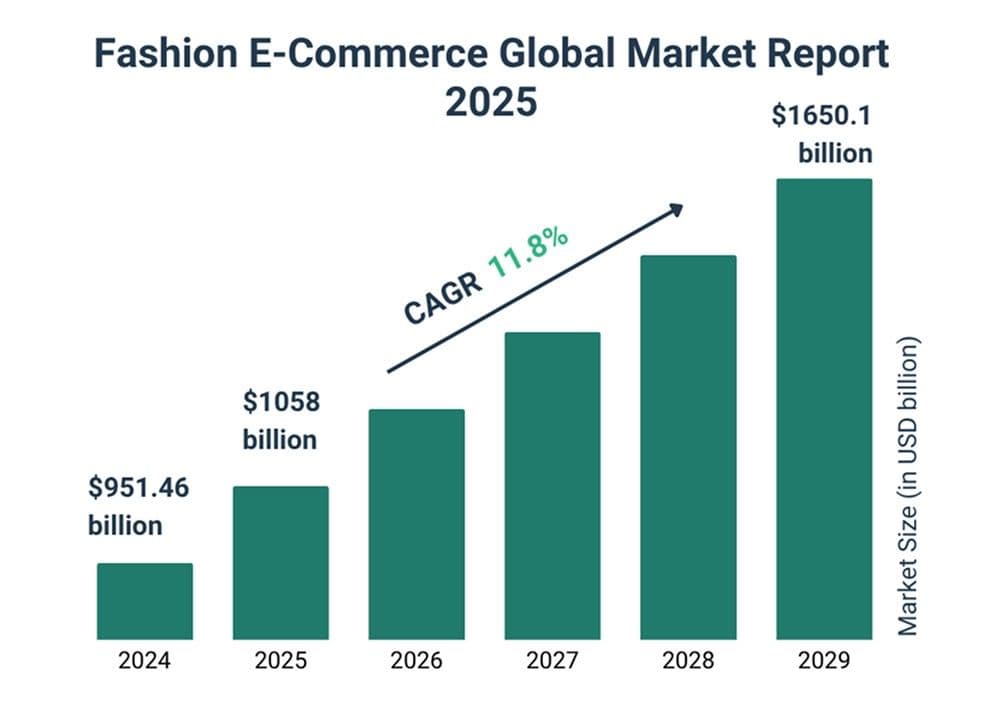
In 2014, the sales in the e-commerce stood around USD 1,336 billion. By 2024 it makes a explosive rise to nearly 6,388 billion, 5X within a decade. It translates to compound annual growth rate (CAGR) roughly 16%. Entirely it all showcasing how consumer preferences had shifted towards digital shopping and how e-commerce become as the backbone of global retail.
For clothing brands, growth is an opportunity with a challenge. With millions of competitors grabbing attention in millions of ways, where does your success depend? It’s all trendy designs that hinge on how effectively you present your brand online.
Foundation: Market Research & Brand Strategy

This stage defines your target audience, analyzes competitors, and positions your brand effectively in the crowded fashion market.
Market research & Brand strategy set a foundation behind every successful clothing e-commerce business. From a business POV, finding ideal customers, analyzing their shopping habits with market trends, is a crucial one.
A brand that targets youth may focus on affordable, fast-fashion styles, whereas a premium clothing brand highlights quality and exclusivity. Every competitor has a loophole in their service tracking that helps to uncover gaps such as slow delivery, inconsistent sizing, or limited sustainable options, enabling the brand to position itself effectively in the market.
From a technical POV, market research & brand strategy, the website’s architecture, and feature set. Competitor analysis helps developers to build AI-powered product recommendations, etc., By aligning business strategy with technical execution, a clothing e-commerce website becomes not only brand-driven but also an asset for future growth.
S1: Choosing the Right Architecture & Platform
Always, a pre-built site looks like a shortcut. But it never creates a demand for your brand. Often fails to deliver the personalization, scalability, and unique identity your fashion label deserves. A custom-built e-commerce website ensures your brand stands out, offering tailored user experiences, faster performance, and the flexibility to scale as business grows.

How to choose & pick the right one?
- Define business goals & growth
- Analyze technical resources
- Evaluate must-have features
- Compare TCO
- Test with PoC
- Assess Integration Capabilities
- View Scalability & Performance
- Consider Future Trends
- Seek Expert or Peer Feedback
- Decision Matrix
Picking an e-commerce architecture & a correct platform for your clothing brand all begins by defining your goal of business and growth. Look on: quick, budget-friendly launch, focus on a scalable solution in long-term expansion. Going through the wanted technical resources, either a team or a budget, to the agencies that deal complex solutions in commerce, a managed SaaS platform would be a better fit. Ranking the most needed features like mobile-first design, PCI checkout, discount logic, multilingual support, AR tools, then comparing total cost of ownership, factoring in initial setup, recurring fees, and scaling expenses. Testing platform with POC to measure performance, often content updates with easy checkout performance, ensuring strong integration capabilities with ERP, CRM, marketing automation, or shipping systems. Focus on scalability, performance metrics, and CDN readiness to manage people traffic with growth. Adapting to future trends like PWAs, AI personalization, or AR fitting rooms. From developers and people in communities going through the feedback and reports always a wise one to weigh decision matrix to score and compare platforms across the globe. From small to mid-sized brands, enterprise-like Shopify gives a balance between speed and cost-effectiveness. Premium brands benefit from headless setups like Shopify’s Storefront API paired with Next.js for storytelling flexibility, and enterprise or global players are best served by composable commerce solutions like CommerceTools or Elastic Path for full customization and future-proofing. These are my way research results that gonna guide you on things like how to pick the right one? But conducting your own research and finding a smart way to choose the right platform.
So, selecting the right e-commerce architecture and platform is not just a technical choice but a strategic move that defines your clothing brand’s ability to compete, scale, and innovate.
S2: Website Design & Front-End Engineering

“Always know the difference between developing and designing something.” The creation and upkeep of websites always require specialized knowledge and abilities in website design. UX design is a widely used tool in web design. A popular modality of modern web design art, it features a user-friendly interface and appropriate presentation.

A front-end engineer is a person who focuses on developing user-facing components of a website, right from layout to adding visual elements and essential features, using distinct languages like HTML, CSS & JS to art an engaging and responsive user experience. Transforming a designer’s vision into functional, intuitive interface where users see & interact directly.
Intersecting things that converge on Website Design & Front-End-Engineering:
Integration Point | Shared Goal / Description | Quick Action |
Responsive Design | Ensures a seamless user experience across all devices, a critical baseline for modern sites. | Start mobile-first and test at multiple breakpoints (320–1440 px). |
Component-Based UI | Reusable components boost consistency and development speed. | Maintain shared component library |
Design Systems & Tokens | Centralizes colors, spacing, and typography, preventing style drift. | Sync design tokens between Figma/Sketch and CSS variables or Tailwind config. |
Accessibility | Broadens audience reach and ensures compliance. | Fix critical issues at each sprint. |
Performance Optimization | Directly impacts SEO, conversions & user satisfaction. | Optimize images, lazy load & non-critical assets. |
S3: Product Information Management (PIM) & Digital Assets
.jpeg&w=2048&q=75)
PIM is a system that centralizes, manages, and distributes product data, also ensuring consistency, accuracy, and completeness across channels. Acts as a central hub for product information for description, images, pricing, with spec. That automatically syndicates to websites, marketplaces, mobile apps, and other sales channels, improving customer experience and streamlining operations with boosted sales.
Why It Matters: Without a PIM system, product details turn inconsistent, leading to customer confusion, poor SEO, and operational inefficiency. For a growing e-commerce brand, PIM is critical for accuracy, efficiency, and customer trust.

Digital Assets: In e-commerce, media files & branded content, such as product images, videos, logos, banners, documents, and audio, also define and communicate your brand’s identity online. Handling assets effectively is for ensuring consistent customer experiences, streamlined workflows, and fast product launches. Digital Asset Management (DAM) systems like Adobe, Widen, and Bynder centralize storage, control access permissions, enforce versioning, and optimize asset retrieval across teams. Proper dealing with digital assets not only ensures brand consistency across multiple scale channels but also reduces redundancy, minimizes operational delays, that supports scalable growth as the site expands.
PIM centralizes and standardizes product data for accuracy and consistency, while DAM organizes and delivers digital assets to maintain brand quality and speed. Together, they streamline workflows and improve operational efficiency, ensuring scalable growth and delivering a seamless e-commerce experience.
S4: Secure Payment Infrastructure & Compliance

According to a report by Statista, the average cost of a data breach in the US has reached nearly US$9.5 million. Why do such things happen? Have to see in a separate one. Here, let’s see an overview of the topic. Secure Payment System (SPS), an infrastructure, ensures the safe processing & transmission of financial transactions in digital spaces and is important to deal high-level risks such as fraud and unauthorized access. The core things used to set SPI are:
- Encryption for Payment Data Security: Using symmetric and asymmetric algorithms (e.g., AES-256, RSA) for sensitive cardholder data during transmission and storage ensures PCI DSS compliance and also by reducing breach risk.
- Payment Gateways with Validation: Encrypted transaction routing between merchants, acquiring banks, and payment processors. Gateways integrate SSL/TLS protocols and tokenization to enable secure, PCI-compliant payment processing.
- Tokenization Technology: Credit card numbers have unique tokens stored in a secure vault. Reduces the PCI scope, handles sensitive data exposure, and develops risk mitigation strategies.
- Multi-Factor Authentication (MFA): Layered security using user (PIN/password, OTP, smart cards) and biometrics (fingerprint/face ID) offers solid protection.
- Digital Wallet Solutions: NFC tech for seamless contactless payments. Added fraud prevention and PCI compliance make wallets like Apple Pay and Google Pay critical for secure mobile transactions.
- EMV Chip Card Technology: Dynamic cryptograms & unique transactions to deal card-present fraud. EMV standards are globally recognized, reducing liability with payment infrastructure security.
- AI-Powered Fraud Detection Systems: Deploy machine learning models, anomaly detection, and behavioral analytics to flag high-risk transactions in real time, maintaining compliance and operational resilience.
- PCI DSS Compliance Framework: Mandates encryption, continuous monitoring, access control, and vulnerability assessments. Compliance always guarantees secure handling of cardholder data and avoids unwanted penalties of costs to the user.
- Bank-Specific Security Systems: Authentication protocols, adaptive transaction monitoring & integrated hardware to deal sensitive data align industry compliance standards.
S5: Mobile-First Development with PWA
Progressive Web Apps (PWAs) shift mobile-first strategy to the next league. 30% of the digital population globally shops via mobile phones, which accounts for 1.65 billion mobile shoppers as of 2025. The number of people shopping on mobile devices has been steadily rising for a decade. Recent studies show that mobile commerce accounts for nearly 60% of all global e-commerce sales, representing a dominant share of total online retail. A mobile-optimized experience is foundation of a successful fashion website. Progressive Web App (PWA) makes strategy by combining the web and native app experiences. Shoppers always need a seamless, flash-fast experiences on smartphones; failing it may cost your business seriously. PWAs are the standard web applications built with web tech like HTML, CSS, and JavaScript; they interact with users like native apps. This allows PWAs to deliver high performance across all platforms with a single codebase. They are accessed like websites with various benefits, such as being installable, operating offline, and the ability to receive push notifications, making them nearly indistinguishable from their native app counterparts. The importance of PWA when it comes to commerce.
.jpeg&w=1080&q=75)
- Reach: PWAs are accessible in universal level without any restrictions of app stores or device limitations.
- Engagement: Adding features like push notifications & offline functionality, PWAs keep users connected and also engaged with your brand.
- Conversion: PWAs gonna leads to higher userconversion rates. Users who enjoy using your site are more likely to stay around and convert.
Adding social commerce elements directly into your mobile experience, like sponsored Instagram feeds or TikTok-like video previews, blends both the content & commerce seamlessly. With these tactics, also by adding eco-friendly optimization, like lightweight image compression and minimal bandwidth consumption, the brand will demonstrate excellence also values in both technical and sustainability.
From a basic responsiveness by thinking more and embracing advanced PWA capabilities, your clothing brand will deliver unforgettable shopping experience to your users via mobile, one that can improve in the rankings, increases conversions, and keeps your fashion-forward audience coming back.
S6: Marketing Automation, SEO & Customer Acquisition

Marketing automation, an engine, help e-commerce clothing brand to run smoothly. For repetitive tasks like email campaigns, retargeting ads, and social media scheduling, businesses by automating it give time to focus on strategy and creative content. Tools like Klaviyo, HubSpot, or Mailchimp find your audience based on purchase history, browsing behavior, or demographics and segment them allows to send personalized messages such as “Exclusive new arrivals in organic cotton streetwear” or “Flash sale: Trendy oversized hoodies this weekend.” For carts, product recommendations, and post-purchase follow-ups making it automated ensure you engage customers at every stage of their journey.
SEO, to a clothing commerce always focus on ranking on search engines by using keywords. Customize the website’s meta titles, descriptions, headers, and URLs with phrases like “buy premium fashion online” or “affordable streetwear clothing in India.” Boosting site performance by ensuring fast load times and mobile compatibility and using structured data markup for your products. Adding internal links between product pages, category pages, and blog posts improves user experience and also in search engine rankings.

Customer acquisition strategies make your reach wider & drive targeted traffic. Influencer partnerships, affiliate marketing, and referral program usage to build trust also attract new buyers. Campaigns like Google Shopping Ads and Instagram retargeting ads that are paid complement your organic SEO efforts, capture audiences actively searching for fashion solutions. Analytics tools help to track, deal your campaigns and shift your business to the highest-converting channels.
By combining marketing automation with keyword-rich SEO strategies and targeted acquisition methods, your online clothing brand can achieve consistent traffic growth, improved conversion rates, and increased customer loyalty.
S7: Personalization with AI-Driven Recommendations
Always essential for commerce is building customer loyalty & driving conversions. Shoppers always expect experiences that match their style, preferences, and behavior. By adding AI-driven recommendation engines into your clothing brand’s website, that transform casual browsing into meaningful engagement and higher sales.

AI analyzes browsing patterns, purchase histories, and demographic data to deliver product suggestions. From usual “Recommended for You” things on your homepage to “Complete the Look” suggestions on product pages, AI ensures also make every interaction to feels personal. Collaborative filtering identifies patterns among similar shoppers, while content-based filtering recommends items based on product attributes such as color, size, or fabric. Hybrid models combine these approaches lead to greater accuracy.
Personalization goes more than on-site recommendations. Using AI to send targeted emails or push notifications with outfit suggestions or restock alerts. Real-time search results and “Customers Also Bought” sections encourage exploration, reduce bounce rates, and increase average order value.
To evaluate business success, monitor key performance indicators (KPI), such as click rates, user conversion, also repeat, track purchase frequencies. Experimenting A/B tests on various distinct approaches can enhance precision and give better outcomes.
AI-driven personalization not alone makes revenue but also strengthens your brand identity by delivering a shopping experience customers can trust and love. Tools such as Nosto, Dynamic Yield, or Adobe Target do scalable implementation accessible even for growing fashion brands. Using AI responsibly and transparently, personalization becomes a powerful strategy to stand out in the crowded clothing e-commerce market.
S8: Sustainability & Ethical Fashion Tech
Sustainability in cloth like e-commerce shifted from being a “nice-to-have” to a high expectation. Today’s shoppers more aware of how they do purchases, calculate budget and more peculiar and choosy over clothes. Looking for real proof where brands are reducing waste, use eco-friendly materials, and treating workers fairly. Online clothing brands, weave sustainability and ethical fashion tech into your business isn’t a trend it's like how you build trust, customer loyalty, and stand out in a crowded market.
Technology, embraces these practices is easier than ever. AI tools predict demand so no need to overproduce or create unnecessary waste, one of fashion’s biggest problems. Blockchain gives complete transparency in the supply chain, shows customers exactly where their materials came from and how they made. Virtual fitting rooms, AR try-ons, and 3D product previews not only make online shopping more engaging but also reduce returns, cutting both costs and charges. Biodegradable packaging or recycled fabrics may give a strong message and a good impression about your brand’s values.
Telling your sustainability always matters up. Transparency in progress openly on product pages, your blog, or social media and highlight certifications or partnerships that backs you up. Invite customers to participate, whether through recycling programs, take-back initiatives, or repair services.
Key actions to consider include:
- Use AI-driven demand forecasting to reduce waste and prevent overproduction.
- Adopt blockchain technology to make your supply chain transparent and trustworthy.
- Choose organic, recycled, or low-impact textiles to lessen your environmental footprint.
- Offer repair, recycling, or take-back programs to support circular fashion.
- Fair Trade or GOTS certifications lead up to your website to a next level.
Combining innovative tech. with honest communication, your clothing brand gets strengthen in customer relationships, boost brand reputation, and establish a iconic image in a booming fashion e-commerce space.
S9: Customer Support added Post-Purchase Engagement
Customer relationship always gives a judge the brand’s success; it should not be ended at checkout stage, especially in clothing like e-commerce. People expect also seek smooth support with follow-ups which build loyalty also encourage repeated purchases.

My key suggestions you can take for implementation:
- Multi-Channel Support – Chat, email, social media & AI chatbots to help.
- Follow-Ups – Give styling tips & product recommendations in a personalized way.
- Shipping Updates – Keep customers informed with effective tracking.
- Hassle-Free Returns – Simplify exchanges to build trust.
- Loyalty & Rewards Programs – Offer exclusive deals or coupon bonuses.
- Encourage Reviews & Content – Boost SEO and credibility with user feedback.
- Post-Purchase Offers – Reward returning customers with special discounts.
Your Key Takeaways:
Post-purchase engagement is more than customer service. It’s a growth tool that strengthens loyalty, repeat sales and enhances your fashion brand’s online presence.
S10: Continuous Monitoring, Testing & Security
Areas to Monitor:
- Website Performance
- User Experience
- Inventory Management
- Sales & Marketing
- Security
Key things to Test:
- User Accounts
- Products
- Search & Navigation
- Shopping Cart
- Checkout & Payment
- Website Content
Dealing with Security Threats:
- Cross-Site Scripting
- SQL Injection
- Phishing
- E-Skimming
- Bot Attacks
Conclusion & Future Trends in Fashion E-Commerce
Fashion e-commerce has come a long way, and it’s clear that the future belongs to brands that go beyond simply selling clothes online. Today’s shoppers want more than a quick purchase; they’re looking for smooth, secure, and meaningful experiences. A great product is important, but how you present it, how easy your site is to navigate, how safe the checkout feels, and how you treat customers after the sale all play a huge role in building trust and loyalty. The brands that stay transparent, embrace sustainability, and keep the customer at the center are the ones setting themselves apart in this fast-moving industry.
It’s becoming more interactive, ethical, and customer-focused. Brands that stay flexible, invest in innovation, and genuinely listen to their audience won’t just keep up; they’ll help define what online shopping looks like in the years ahead.

Author
Henry Caldwell
Web Design Strategist